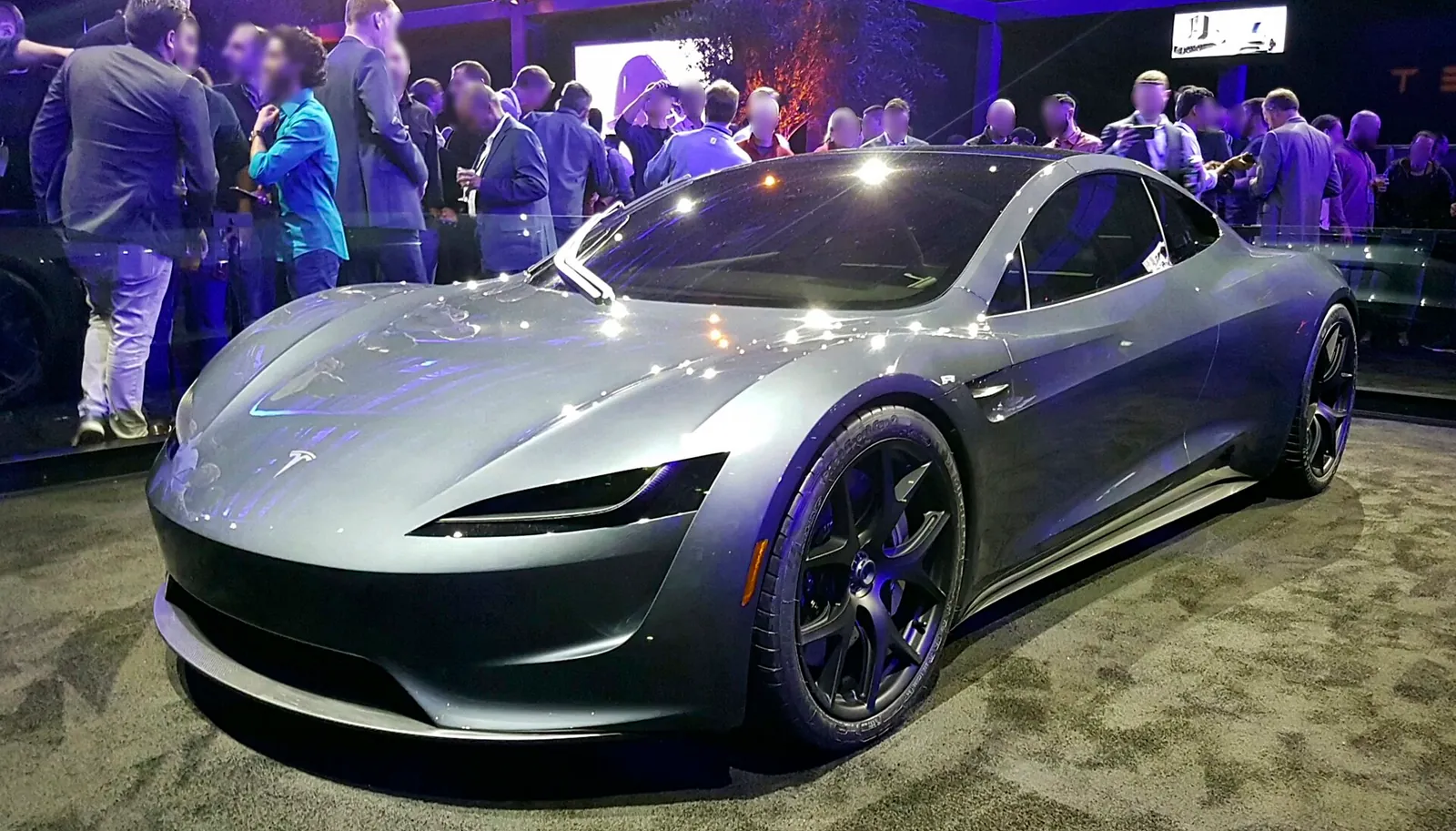
China on Aug. 27 launched a year-long auto-quality campaign that requires carmakers to self-audit for defects, file recall plans quickly and tighten validation of new technologies, placing Tesla under a sharper regulatory microscope only days after its massive China recall.
China's new rules widen the lens on Tesla
China’s Ministry of Industry and Information Technology, together with the public security, environment and market-regulation ministries, published a one-year road-vehicle quality campaign on Aug. 27. The notice says the government wants to fix problems in production consistency, reliability, durability and the testing of new technologies, and it frames the effort as a way to protect public safety while cleaning up competition in the auto sector. Reuters reported that the move signals a more assertive regulatory stance in the world’s largest auto market. [1]
The campaign is broader than a simple recall crackdown. It requires automakers to carry out self-audits across their operations and key suppliers, then report the results to local authorities by the end of 2026. If defects are found, companies are expected to file recall plans promptly and carry out recalls voluntarily. The notice also singles out combined driver-assistance and autonomous-driving systems, plus related areas such as functional safety, cybersecurity, data security, software updates, incident monitoring and emergency response. [1]
Tesla was already in the regulatory spotlight
Tesla sits at the center of the timing because it had already filed two separate recall campaigns in China on Aug. 21. In the first, China’s market regulator said Tesla was recalling 2,975,910 imported and China-made vehicles, including Model 3, Model Y, Model S and Model X variants, because the emergency door-release hardware could be hard to identify and use in an extreme crash scenario. The fix calls for warning labels and an over-the-air software update that changes the window-lowering strategy after a crash. [3]
The second Tesla recall covers 2,740,642 China-made Model 3 and Model Y vehicles. According to the regulator, the issue is that the current driver-attention monitoring system does not provide strong enough prompts when assisted driving is engaged, which could increase collision risk if the driver fails to intervene. Tesla said it would push an OTA software update that adds in-cabin camera monitoring on top of existing steering-wheel torque checks; vehicles that cannot be updated remotely would be handled through Tesla service centers. [3]
Why the new campaign matters
The immediate significance is that China is moving from reviewing a single Tesla recall to scrutinizing the machinery behind future recalls. Reuters said the latest measures require comprehensive inspections of quality, reliability, durability and validation of new technologies across operations and suppliers. That matters for Tesla because the company’s China recalls are not being treated as isolated events; they now sit inside a regulatory framework that explicitly examines the performance of advanced driver-assistance systems, software governance and the way automakers monitor incidents. [2]
The notice also puts pressure on suppliers and production processes, not just on final vehicles. It directs local authorities to strengthen oversight before new technologies are introduced, and it authorizes checks on whether automakers are keeping pace with changing safety expectations. Reuters added that a separate industry statement from the China Association of Automobile Manufacturers warned that “irrational competition” could undermine production consistency and safety, underscoring that Beijing’s concern is not only about one defect, but about how quickly the entire industry is pushing new products and features into the market. [2]
What is still uncertain
What remains unclear is how aggressively the new campaign will be enforced at the company level and whether it will lead to Tesla-specific follow-up actions beyond the current recall remedies. The notice does not name Tesla in the body of the directive; instead, it lays out a sector-wide inspection regime, a year-long timetable and a requirement for firms to report self-audits by the end of 2026. That means the short-term operational impact may be modest, but the compliance burden is clearly higher, especially for automakers selling advanced driver-assistance functions in China. [1]
For Tesla, the practical question is whether regulators judge the existing remedies — warning labels, software updates and in some cases service-center work — to be enough, or whether they push for deeper hardware or process changes later in the year. For now, the safest conclusion is narrow but important: China’s latest action makes Tesla’s recall problem part of a broader, ongoing safety review of vehicle quality, software oversight and assisted-driving systems. [1]