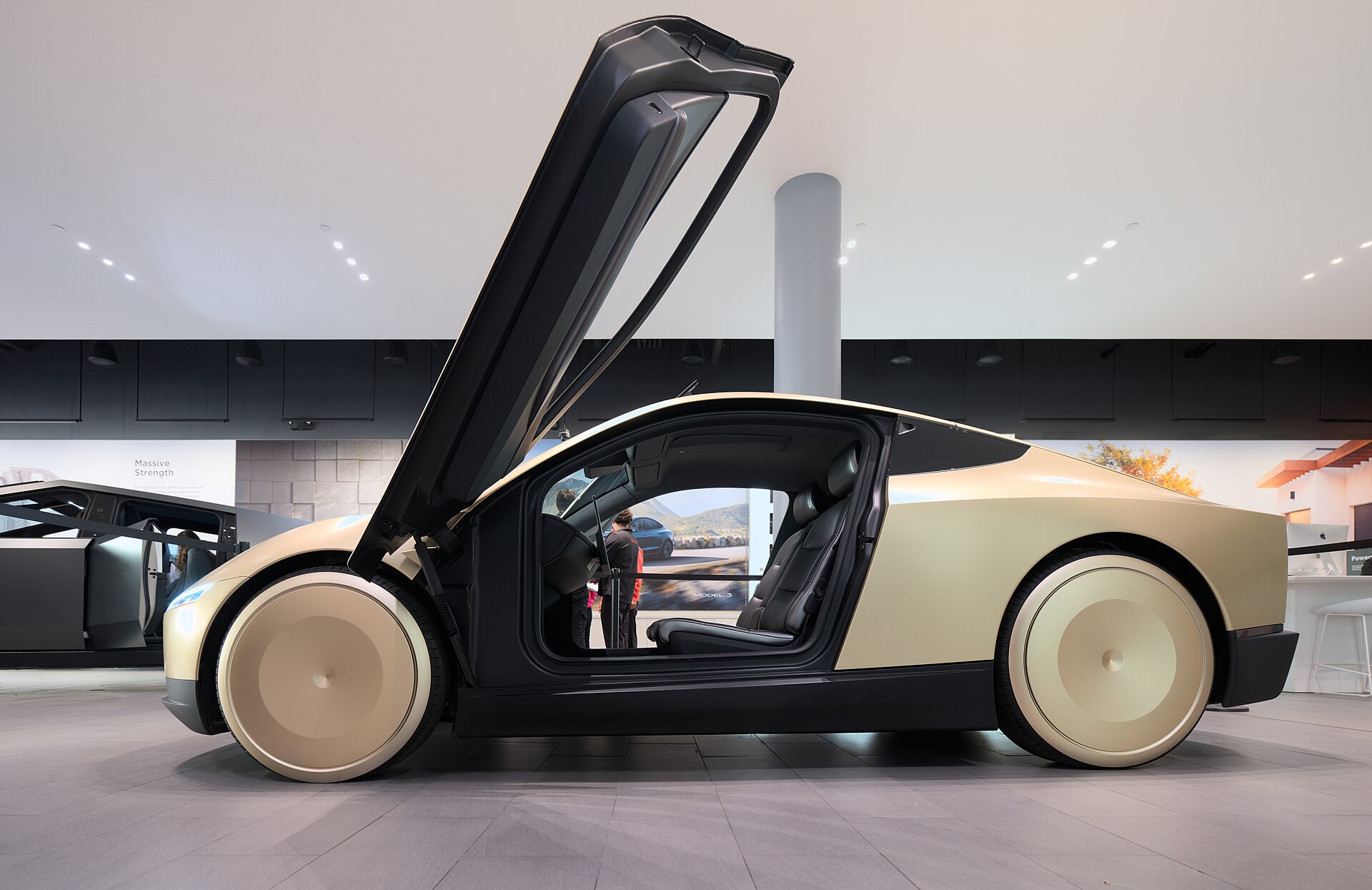
NHTSA has escalated its review of Tesla’s Cybercab by requiring the company to answer a series of questions by September 30 about how it self-certified the driverless vehicle for U.S. roads. The new deadline adds a concrete next step to the agency’s September 4 audit query and keeps Tesla’s Austin robotaxi rollout under federal scrutiny. [1]
What changed in the probe
The latest development is not the opening of the investigation itself, but the formal demand for Tesla to respond. Reuters reported on September 15 that NHTSA told Tesla it must answer questions by September 30 about whether the Cybercab was properly self-certified as compliant with federal safety standards. That is a material step because it moves the matter from a general audit into a time-bound regulatory response cycle. [2]
NHTSA’s September 4 announcement said the agency had opened an Audit Query into Tesla’s certification that the Cybercab meets all applicable Federal Motor Vehicle Safety Standards after Tesla began deploying the driverless vehicles in Austin, Texas. The agency said the inquiry would examine the technical data and certification process Tesla used for a vehicle that lacks traditional human controls. [1]
Why the certification question matters
The core issue is whether Tesla’s compliance argument depended on treating some FMVSS requirements as inapplicable because the Cybercab is designed as an automated vehicle rather than a conventional car. NHTSA said its review will assess the basis for that self-certification, including the standards Tesla believes do not apply. That matters because U.S. vehicle certification is largely based on manufacturer self-certification, with federal oversight after the fact. [1]
Reuters also reported that NHTSA asked Tesla to explain whether temporarily installed human-driver controls or other equipment were part of the compliance basis. If accurate, that question goes to the heart of whether the vehicle as deployed matches the configuration Tesla says it certified. [2]
Context from Tesla’s rollout
Tesla’s own materials show that the company is actively packaging the Cybercab as a consumer-facing robotaxi product. A Tesla support page for the Cybercab rider guide was published on September 4, the same day NHTSA announced its audit query, suggesting Tesla had already moved beyond concept-stage messaging into deployment support content. tesla.com
That rollout makes the regulatory review more consequential. If NHTSA concludes Tesla’s certification basis is incomplete or unsupported, the company could face requests for additional documentation, design changes, or limits on deployment. If Tesla’s position holds, the inquiry could still shape how the agency treats future steering-wheel-free vehicles. NHTSA has already said the existing standards remain in force even as it works on AV rule changes. [1]
What to watch next
The immediate date to watch is September 30, when Tesla’s response is due according to Reuters. After that, the next question is whether NHTSA treats Tesla’s answers as sufficient or expands the inquiry. The agency has not publicly said when it expects to finish the review, and Tesla has not, in the sources reviewed here, provided a detailed public response to the questions. [2]
For now, the key development is straightforward: the Cybercab has moved from launch novelty to an active federal certification review, with a near-term deadline that could determine how quickly Tesla can continue scaling the vehicle in the United States. [1]