Tesla’s third-quarter 10-Q, filed with the SEC on October 22, added the clearest new disclosure from the last 72 hours: the company said it now expects capital expenditures to exceed $20 billion in 2026, driven by investments in compute infrastructure and data centers, manufacturing and R&D lines, facilities, and its retail, service and charging footprint.
A fresh disclosure beyond the earnings release
Tesla’s October 21 earnings update was already public by the time the company filed its third-quarter Form 10-Q on October 22, but the quarterly report adds more detail for readers looking for the official SEC filing rather than the investor-relations summary. In that filing, Tesla says it currently expects capital expenditures to be in excess of $20 billion in 2026.
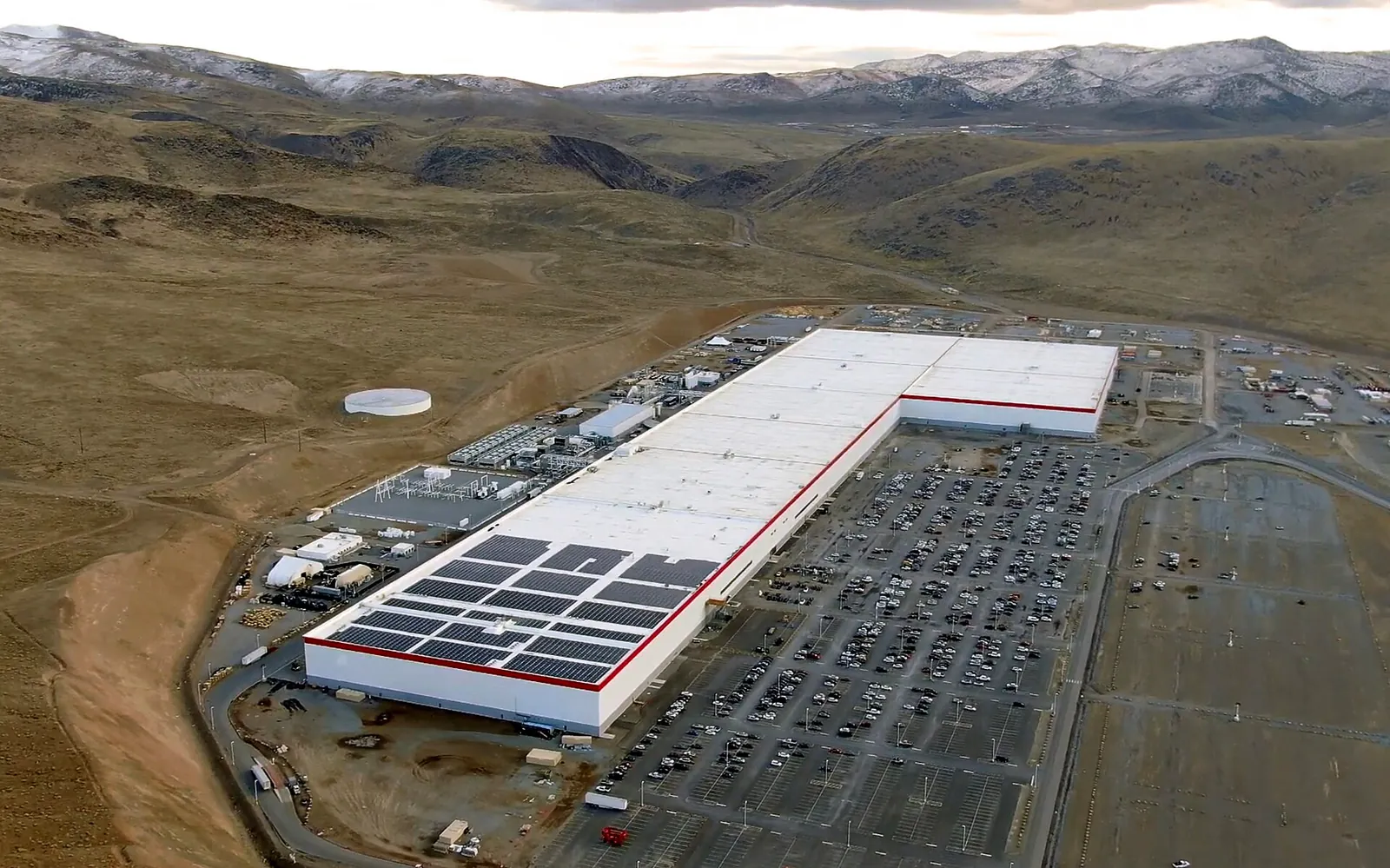
The company ties that spending plan to what it calls SI initiatives, including compute infrastructure and data centers, expansion and ramp of manufacturing and research-and-development production lines and facilities, and growth in its fleet of company-operated SI-enabled assets plus its retail, service and charging footprint. The disclosure matters because it gives investors a more specific view of where Tesla is still committing cash after a quarter in which management has been focused on capital discipline.
What the filing does and does not change
The 10-Q does not replace Tesla’s earnings release, and it does not introduce a new product launch or regulatory action. But it is a separate, verifiable corporate event and the filing is the most consequential new document published in the last 72 hours once previously covered stories are excluded.
For Tesla watchers, the value of the filing is in the updated language and the broader context it provides around spending priorities. The company’s quarter-end report also keeps the focus on legal and operational risks that remain standard in Tesla’s SEC disclosures, but the most newsworthy line in the filing is the 2026 capex outlook.
Why this matters for coverage
Tesla’s investor communications often move in two steps: the headline results and then the fuller SEC filing. In this case, the filing confirms the quarter’s results date, provides the formal report for the September 30 period, and sets out a capital plan that will likely be watched closely as the company balances vehicle, autonomy and infrastructure spending.
Because the filing is a standard quarterly report rather than a standalone strategic announcement, the main implication is interpretive: Tesla is still signaling heavy investment rather than a broad pullback in growth spending. Whether that translates into faster execution, higher returns or further pressure on margins will depend on the coming quarters, not on this filing alone.