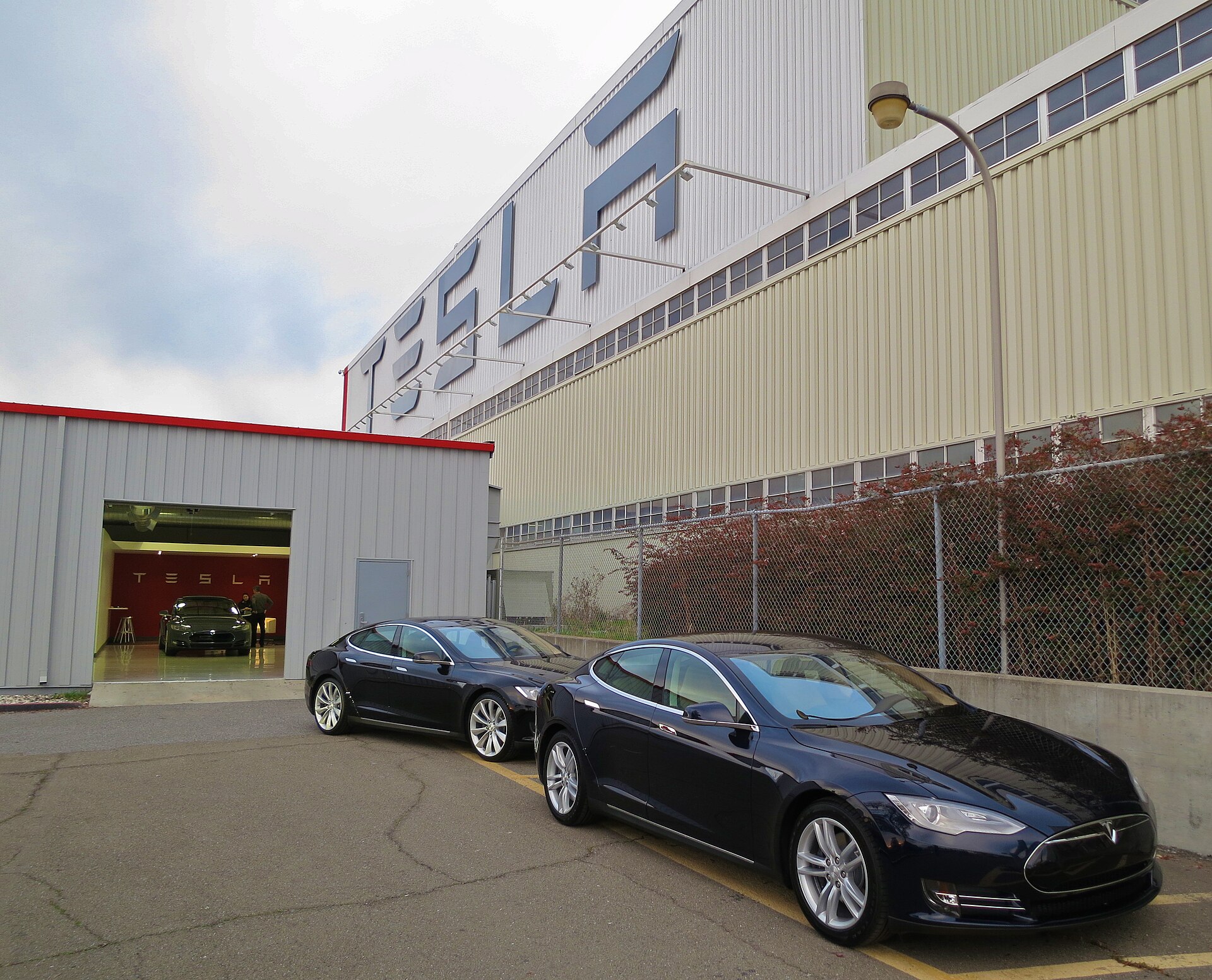
Tesla begins October under pressure from two separate fronts that were both initiated in September: a California discrimination trial over allegations of racial harassment at the Fremont factory, and an NHTSA audit query into whether the Cybercab was properly certified to meet federal safety standards. Tesla’s Oct. 2 delivery update added a third reminder that investors and regulators are still parsing the company through different lenses: vehicle volume, autonomy claims, and legal exposure.
A discrimination case that was already years in the making
Tesla’s California race-discrimination case moved into trial in late September after state officials and Reuters reported that the matter was set to be heard in Oakland before Alameda County Superior Court Judge Peter Borkon. Tesla’s own second-quarter filing had already flagged the first phase of the trial as scheduled for Sept. 21, 2026, showing that this was not a sudden development but the latest step in a long-running dispute over workplace conduct at the Fremont plant. sec.gov
The California Civil Rights Department’s earlier public statement said a state court order had cleared the case to proceed to trial, after years of litigation over allegations that Black workers were subjected to harassment, slurs and retaliation. That history matters because the case is not just a reputational issue; it is a government enforcement action that can still evolve into damages, injunctive relief or settlement pressure depending on how the trial unfolds. [3]
Cybercab certification is now a federal question
Separately, NHTSA said on Sept. 4 that it had opened an audit query into Tesla’s certification that the new Cybercab meets applicable Federal Motor Vehicle Safety Standards. The agency’s action followed Tesla’s Austin deployment of the vehicle and focused on basic certification questions, including whether the Cybercab can be driven by a human and what controls are available to occupants. [2]
For Tesla, the significance is less about a single form letter than the signal it sends: the company’s robotaxi narrative is now colliding with the normal federal review process for whether a vehicle is legally eligible for sale and road use. That does not by itself mean Tesla did anything improper, but it does mean the company’s autonomy push is being tested in a formal regulatory channel rather than by online debate or analyst speculation. [2]
Q3 deliveries improved the near-term backdrop, but did not settle the bigger questions
Tesla’s Oct. 2 delivery update showed more than 486,000 vehicles delivered in the third quarter and 13.7 GWh of energy storage deployments, a result that helped reset the conversation around near-term demand. Reuters coverage noted that the numbers suggested Tesla’s car business may be regaining momentum, even as investors continue to focus on the company’s AI, robotaxi and robotics ambitions. [5]
Still, the delivery report does not resolve the issues driving the current news cycle. Higher quarterly deliveries can support the narrative that Tesla’s core business is stabilizing, but they do not answer the legal questions in California or the regulatory questions around Cybercab. In that sense, Tesla’s latest quarter improved the operating backdrop without removing the company’s main sources of uncertainty. [5]
What to watch next
The key near-term markers are straightforward: how the Fremont trial progresses through October, whether NHTSA expands or closes its Cybercab audit query, and whether Tesla’s October 21 earnings release adds more detail on margins, storage growth or autonomy-related spending. Tesla has already said its third-quarter results will be posted after market close on that date. [5]
Taken together, these developments show a company that is still moving on multiple timelines at once. Tesla can report stronger deliveries, promote new autonomy hardware and software, and remain entangled in old legal disputes and fresh regulatory scrutiny all at the same time. For readers, the useful frame is not a single headline but the interaction among those three tracks. [5]