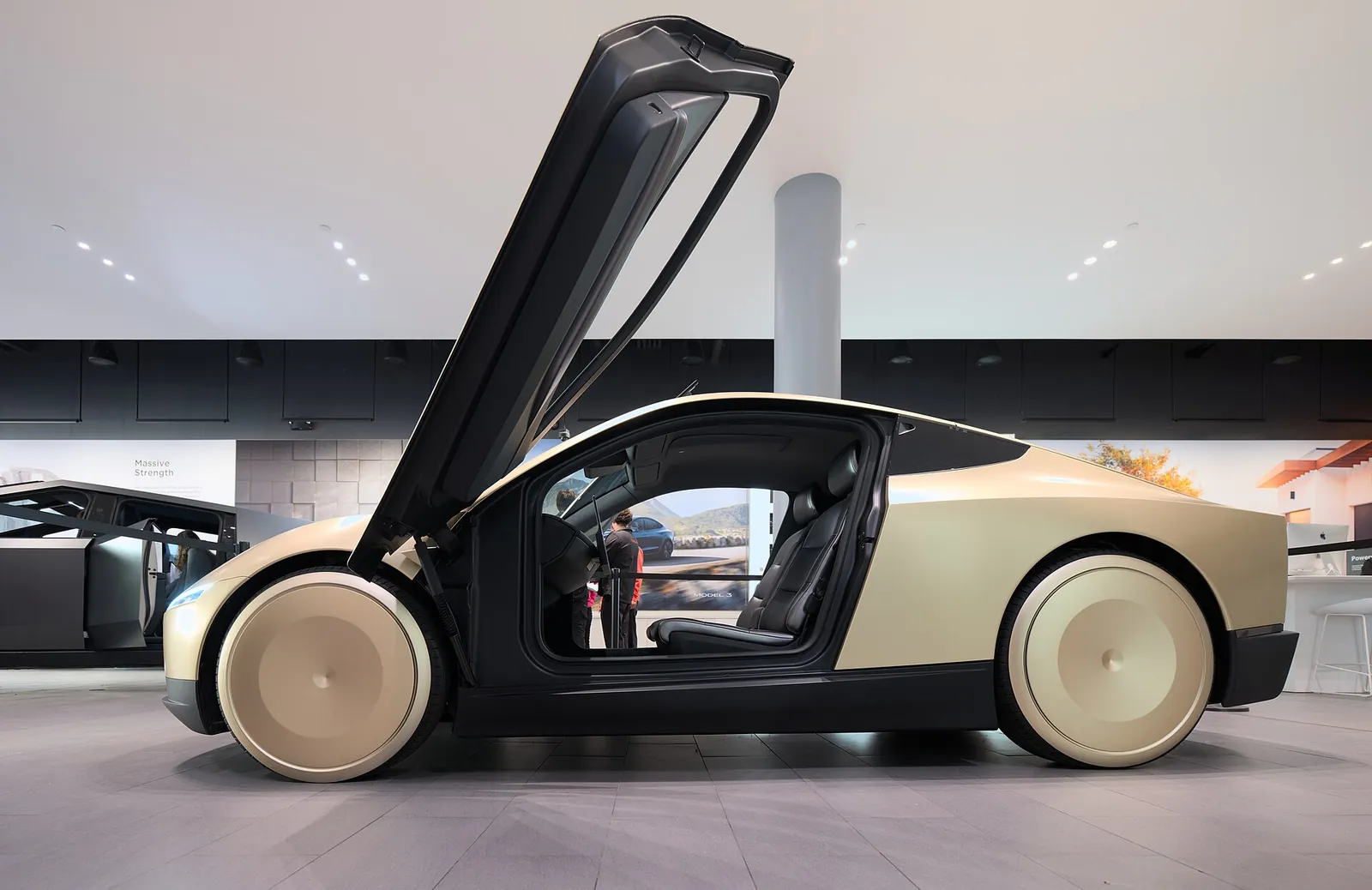
Tesla is facing fresh scrutiny over driver monitoring after Rep. Raja Krishnamoorthi asked U.S. transportation officials to take action against misuse of Autopilot and Full Self-Driving, citing videos that appear to show drivers asleep or disengaged while their vehicles were moving. The request came as the company remains under separate federal review over its driverless Cybercab rollout. [1]
Lawmaker cites dozens of apparent misuse videos
In a September 10 letter and accompanying statement, Krishnamoorthi said the Department of Transportation and the National Highway Traffic Safety Administration should respond to misuse of Tesla’s driver-assistance systems. His office said the request was prompted by an NBC News investigation identifying 43 videos that appear to show people asleep in the driver’s seat of moving Teslas, including 17 posted this year. The congressman’s office said Tesla’s own documentation requires active driver supervision and does not describe Autopilot or Full Self-Driving as autonomous systems. [1]
Reuters reported the same day that the lawmaker was pressing federal officials to act, citing the same video evidence and the concern that drivers may be placing too much trust in Tesla’s assistance features. The report also noted that the letter was directed to Transportation Secretary Sean Duffy, reflecting that the issue is now moving beyond journalism and into formal political pressure. [2]
Why the issue matters now
The latest pressure lands while Tesla is already in the middle of a separate federal review of its autonomy claims. On September 4, NHTSA said it opened an audit query into Tesla’s certification of the Cybercab, after Tesla began commercial deployment of the driverless vehicle in Austin. The agency said it was examining the process and technical data Tesla relied on when certifying compliance with federal safety standards. [3]
Taken together, the two developments suggest regulators are watching both sides of Tesla’s autonomy story: the company’s supervised consumer systems, which are supposed to keep a human attentive, and its unsupervised robotaxi push, which removes conventional controls entirely. That combination raises the stakes for any evidence that drivers are treating supervised systems as hands-off automation. This is an inference from the two federal actions, not a statement from either agency. [1]
What is still unclear
The congressional letter does not itself establish that Tesla’s software caused the apparent misuse shown in the videos, and it does not say whether federal officials will open a new investigation. It also remains unclear whether the specific videos cited represent a broader pattern of misuse or a small number of highly visible examples. [1]
For Tesla, the immediate significance is reputational and regulatory rather than operational. The company has spent much of 2026 emphasizing robotaxi development and autonomy milestones, but this episode shifts attention back to the basic question of how reliably its systems keep human drivers engaged when supervision is still required. [1]