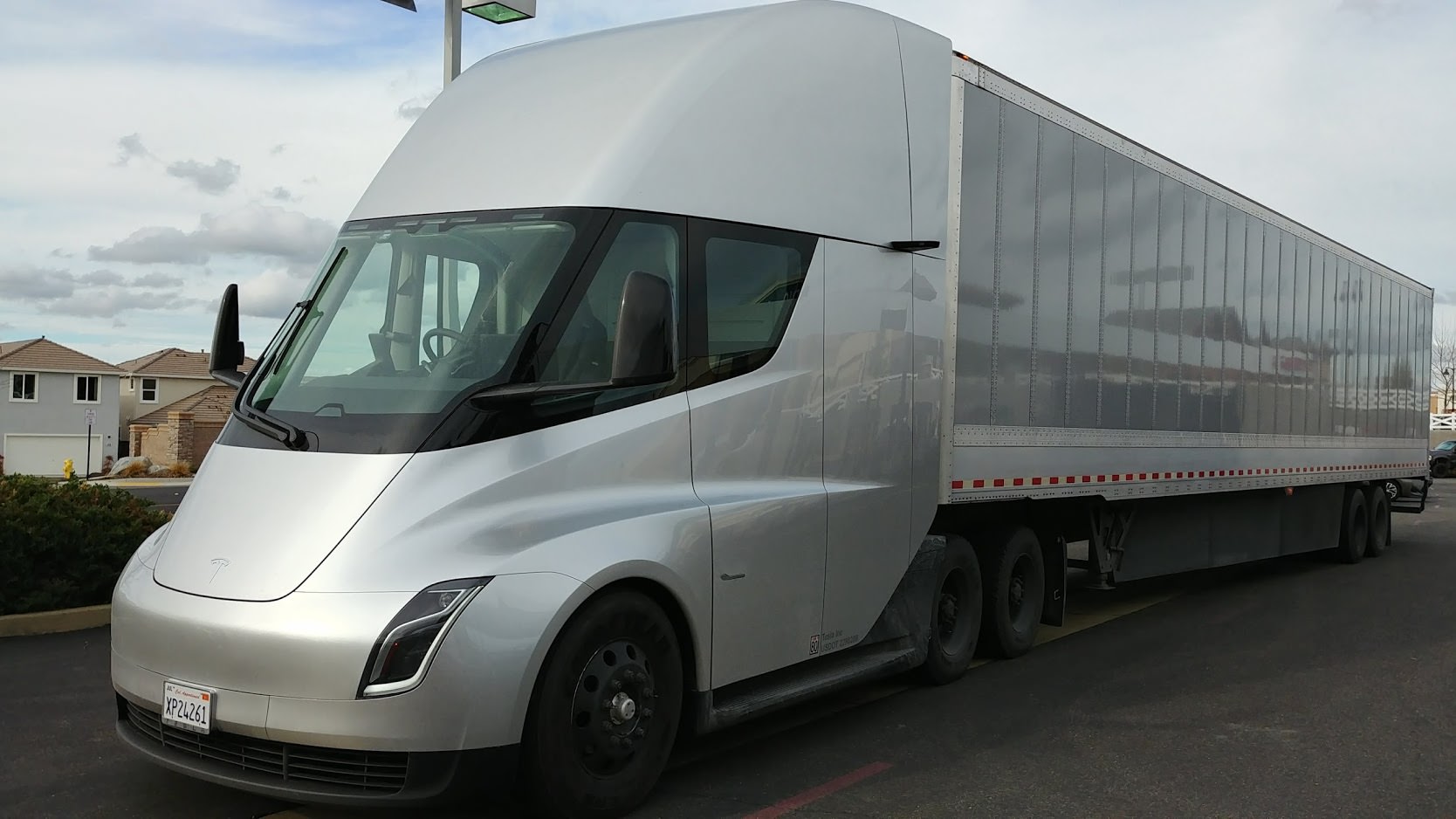
Tesla began delivering its Semi trucks to a first set of customers this week, according to executives speaking at the company’s Sparks, Nevada plant on September 24, 2026. The rollout marks the clearest sign yet that the long-delayed electric Class 8 program is moving from limited production and demos into customer handoffs.
A long-promised truck reaches customers
Reuters reported that Tesla executives said the company is beginning deliveries of Semi trucks to an initial group of customers at the Sparks plant. The news matters because the Semi has been one of Tesla’s most delayed programs: Elon Musk unveiled the truck in 2017, and the vehicle has since gone through years of prototype work, pilot use and repeated timeline shifts.
Tesla’s own Semi page still says deliveries start in 2026, and its most recent quarterly materials said the Semi program remains on schedule for production starting in 2026. Taken together, the official materials and the Reuters report suggest Tesla is now moving from production preparation to customer delivery, even if the company has not published a standalone press release about the handoff.
What Tesla said at the Sparks event
According to Reuters, executives at the event also said DHL is among the Semi’s customers. Reuters also reported that the company described the trucks as part of a broader commercial rollout rather than a one-off demonstration. That is a meaningful shift for a program that has, until now, been visible mostly through pilot deliveries, factory tours, public appearances and Tesla’s own product pages.
Tesla has spent much of 2026 signaling that the Semi was nearing production readiness. Its investor materials in January and July said the vehicle would enter production in 2026, and the company has continued to host Semi-focused events in multiple U.S. cities. Those events do not by themselves prove customer deliveries, but they do support the view that Tesla has been preparing a wider launch.
Why the Semi matters beyond one product
The Semi is strategically important for Tesla because it sits at the intersection of vehicle manufacturing, fleet sales and charging infrastructure. A customer rollout can also create downstream demand for Tesla’s Megacharger network and for service support around a new commercial platform.
For Tesla, successful Semi deliveries would help validate a product line that has long been positioned as a showcase for the company’s battery, powertrain and manufacturing capabilities. For customers, the immediate question is whether Tesla can scale output consistently and meet the operating expectations it has described for range, charging and uptime. The Reuters report establishes that deliveries are starting; it does not yet show how many trucks will be handed over this quarter, how quickly volume will rise or whether Tesla can avoid the delays that have affected earlier launch plans.
What remains uncertain
Tesla has not yet published a detailed public delivery schedule for the Semi, and Reuters’ report did not specify the number of trucks involved in the initial handoff. It also remains unclear whether the first customer deliveries represent a narrow pilot batch or the beginning of a broader commercial ramp.
The most important follow-up will be whether Tesla provides additional detail in investor communications or posts official delivery milestones on its website. For now, the key development is that the company appears to have crossed from production setup into actual customer deliveries, which is a materially different stage for a program that has been years in the making.