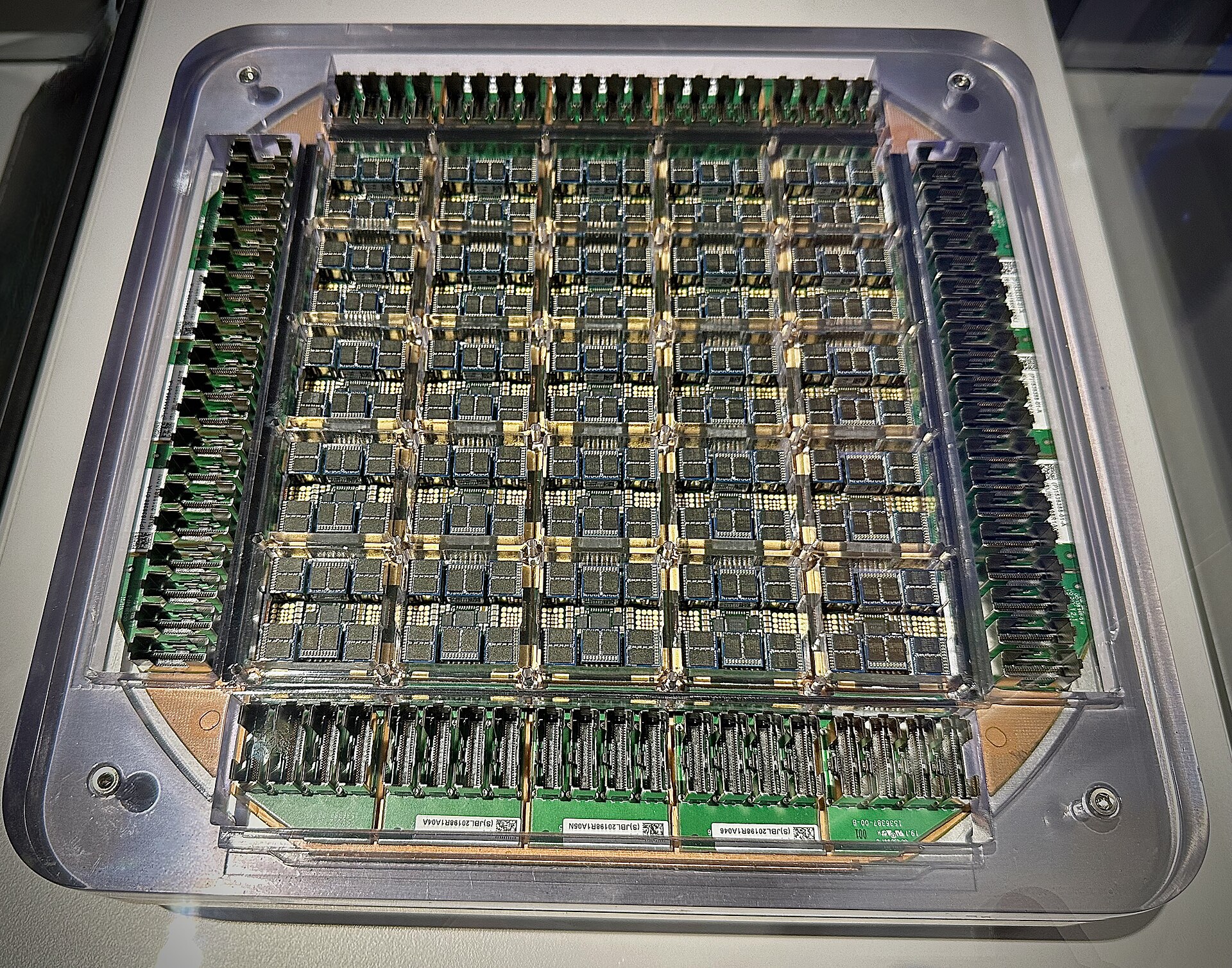
Tesla has updated its official SI and robotics materials to reference SI6 and Dojo 3, a small but notable sign that the company is continuing to publicize work on its next-generation autonomy silicon stack. The change is not a product launch or filing, but it does point to an active internal push around custom inference hardware and the software infrastructure that would support it.
What changed
Tesla’s SI and robotics page now describes the company’s autonomy strategy in terms of “SI” rather than the older Full Self-Driving framing and includes an explicit reference to building SI inference chips for its driver-assistance and robotics programs. Tesla’s careers pages also now reference SI6 and Dojo 3 in openings tied to compiler, runtime, simulation and infrastructure work. Together, those pages indicate that Tesla is still hiring around a next-generation silicon roadmap rather than treating its current hardware as the end state.
The updates are not a formal investor-relations disclosure, but they are still official Tesla materials. In a fast-moving area like autonomy compute, even small wording changes can be useful because they show which programs the company is choosing to highlight publicly. That is especially relevant here because Tesla’s recent filings have already said development of its in-house AI5 and AI6 inference chips is progressing and that production is planned for 2027 and 2028, respectively.
Why it matters
Tesla has spent much of 2026 talking about autonomy as a software-and-hardware stack rather than a single vehicle feature. The company’s latest quarterly materials said the next phase of growth would be driven by autonomy advances and future products, and also noted ongoing work on custom AI inference chips. The updated SI pages fit that broader narrative by tying Tesla’s recruiting message to silicon, software compilers and large-scale training infrastructure.
For investors and industry watchers, the main takeaway is not that Tesla has announced a new chip program today. It has not. The point is that Tesla is still publicly aligning its engineering hiring with a multigeneration autonomy compute roadmap, which suggests the company sees room for further performance gains beyond the hardware already in deployment.
What remains uncertain
Tesla has not published a standalone product announcement, technical white paper or manufacturing timeline for SI6 or Dojo 3. The company has also not said how those references map to specific vehicle, robot or data-center deployments. The public evidence now comes from Tesla’s website and current job listings, so the precise scope and schedule of the work remain unclear.
That means the development is best read as a signal of internal direction, not as confirmation of an imminent launch. The more important question for the next several quarters is whether Tesla turns those engineering references into disclosed products, chips or compute capacity that can be measured in filings or results.