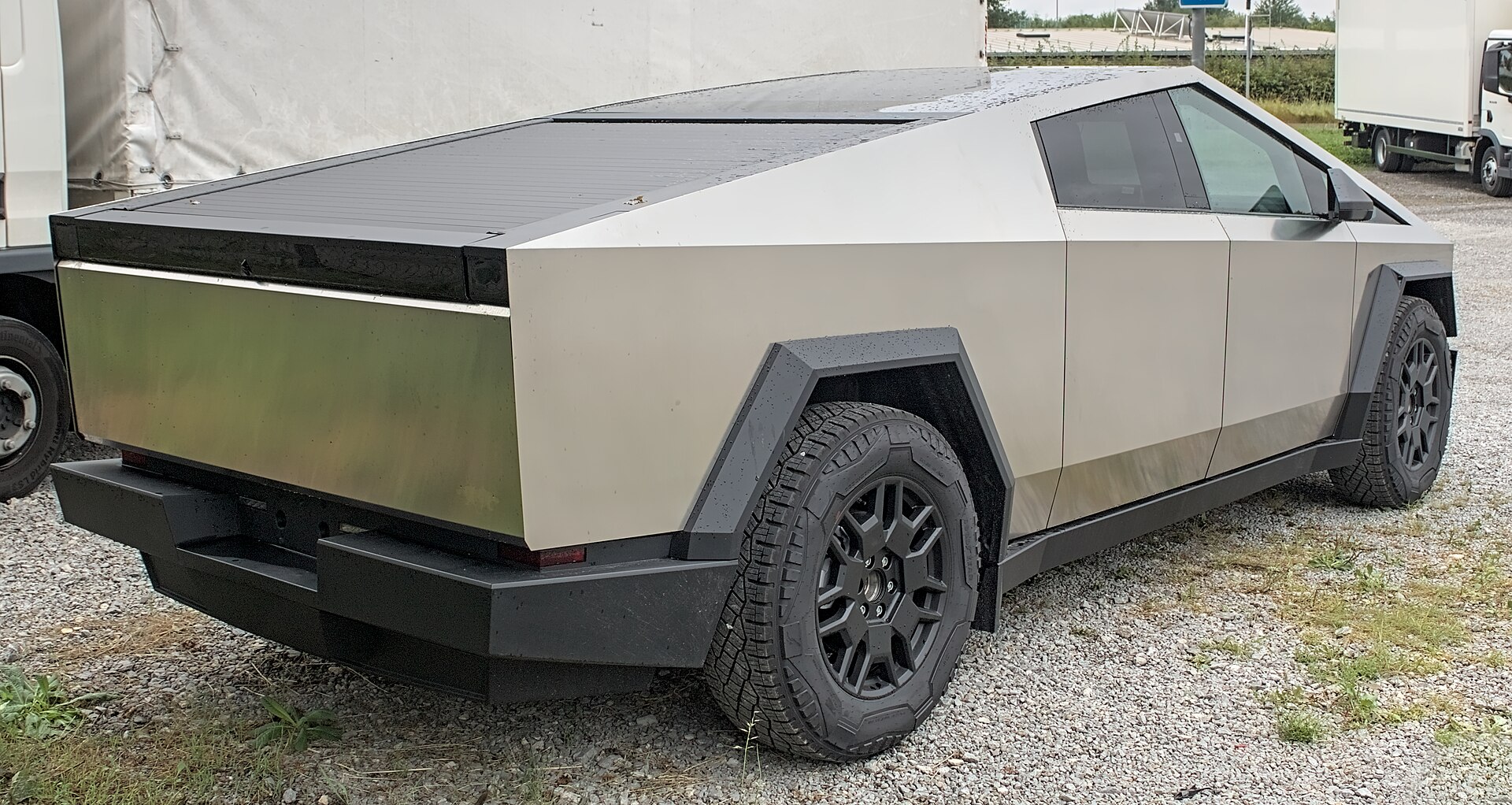
Tesla has broadened access to its Powershare backup-power feature, saying that all Cybertruck trims and newly ordered U.S. and Puerto Rico Model 3 and Model Y vehicles after October 1 are capable of the system.
What changed
Tesla’s support page now says that, by default, all Cybertruck trims ever produced and all Model 3 and Model Y vehicles ordered in the U.S. and Puerto Rico after October 1, 2026 are capable of Powershare. The company also says some Model 3 and Model Y vehicles built before that date may qualify, but owners must check vehicle information in the car or Tesla app to confirm eligibility.
The update is significant because it expands a feature that can turn a Tesla into a backup power source during an outage. Tesla says Cybertruck can provide more than three days of backup duration, while Model 3 and Model Y capability varies by trim and can extend power for up to two days or more depending on the vehicle.
Why it matters
Powershare is part of Tesla’s broader energy ecosystem, linking the company’s vehicles to home backup use cases. For owners, eligibility determines whether the vehicle can participate in an outage-support setup without additional hardware questions at the point of purchase.
The timing also matters because Tesla appears to be making the feature standard on its newest U.S. passenger-car orders rather than treating it as a niche option. That makes it more likely to be part of the buying conversation for customers who see their car as both transportation and emergency power equipment.
What Tesla said
Tesla’s support documentation does not present the change as a major product launch, but as a capability status update. It directs owners to the touchscreen’s Software menu and the Additional Vehicle Information screen, where an enabled ‘Powershare Support’ toggle indicates compatibility.
The company also states that the feature is available by default on Cybertruck and on new U.S. and Puerto Rico Model 3 and Model Y orders placed after October 1, 2026. Tesla does not say in the support note whether the rollout reflects new onboard hardware, a software change, or both.
What remains unclear
Tesla has not provided a separate press release explaining the update, so the exact scope of the rollout is still somewhat opaque. It is not yet clear how many existing vehicles qualify, whether the capability is being added broadly through software, or whether any installation steps are required for home backup operation.
The company also does not say in the support material whether similar eligibility changes will be extended to other markets. For now, the clearest confirmed change is limited to U.S. and Puerto Rico orders and to Cybertruck ownership broadly.