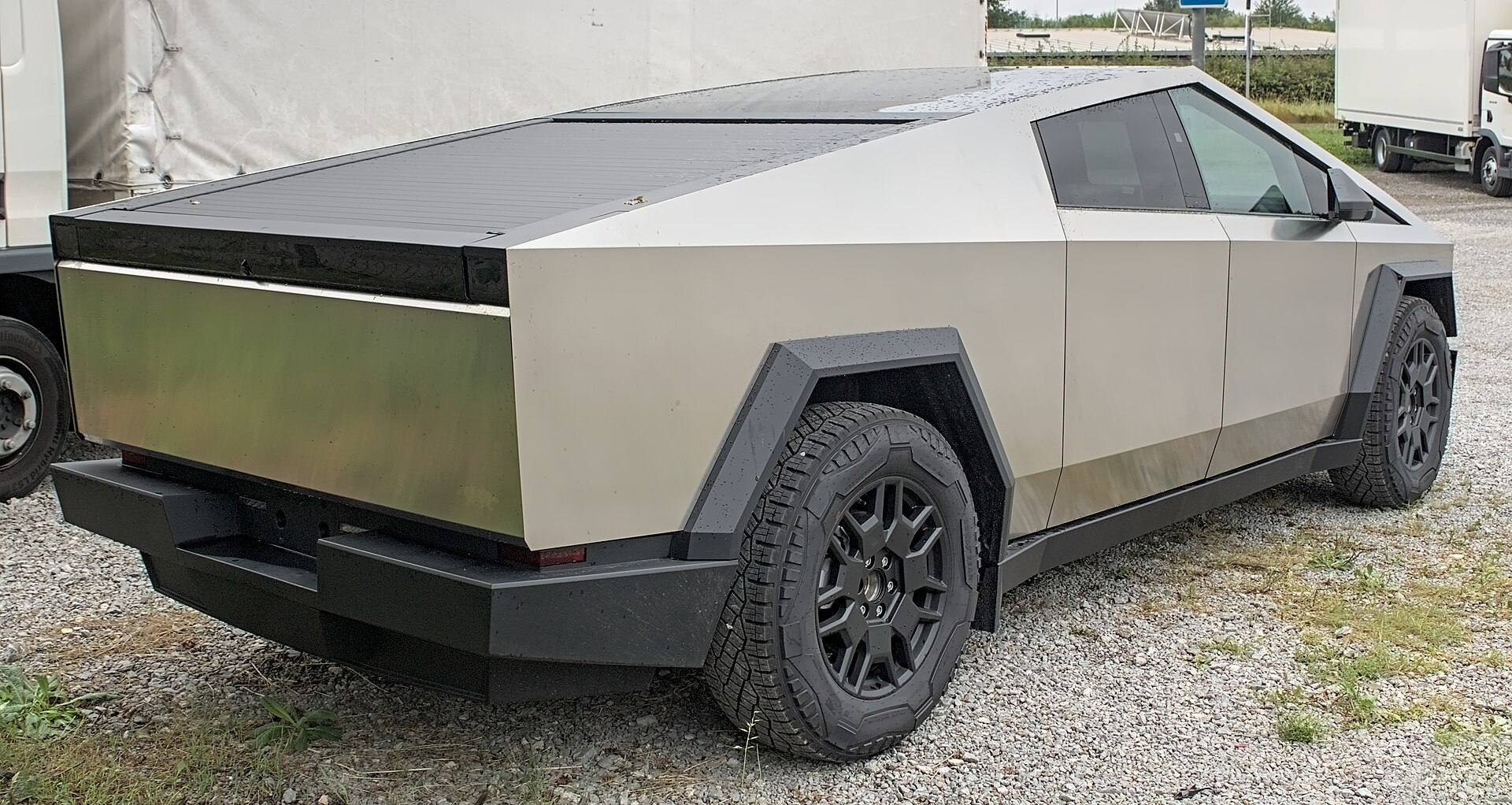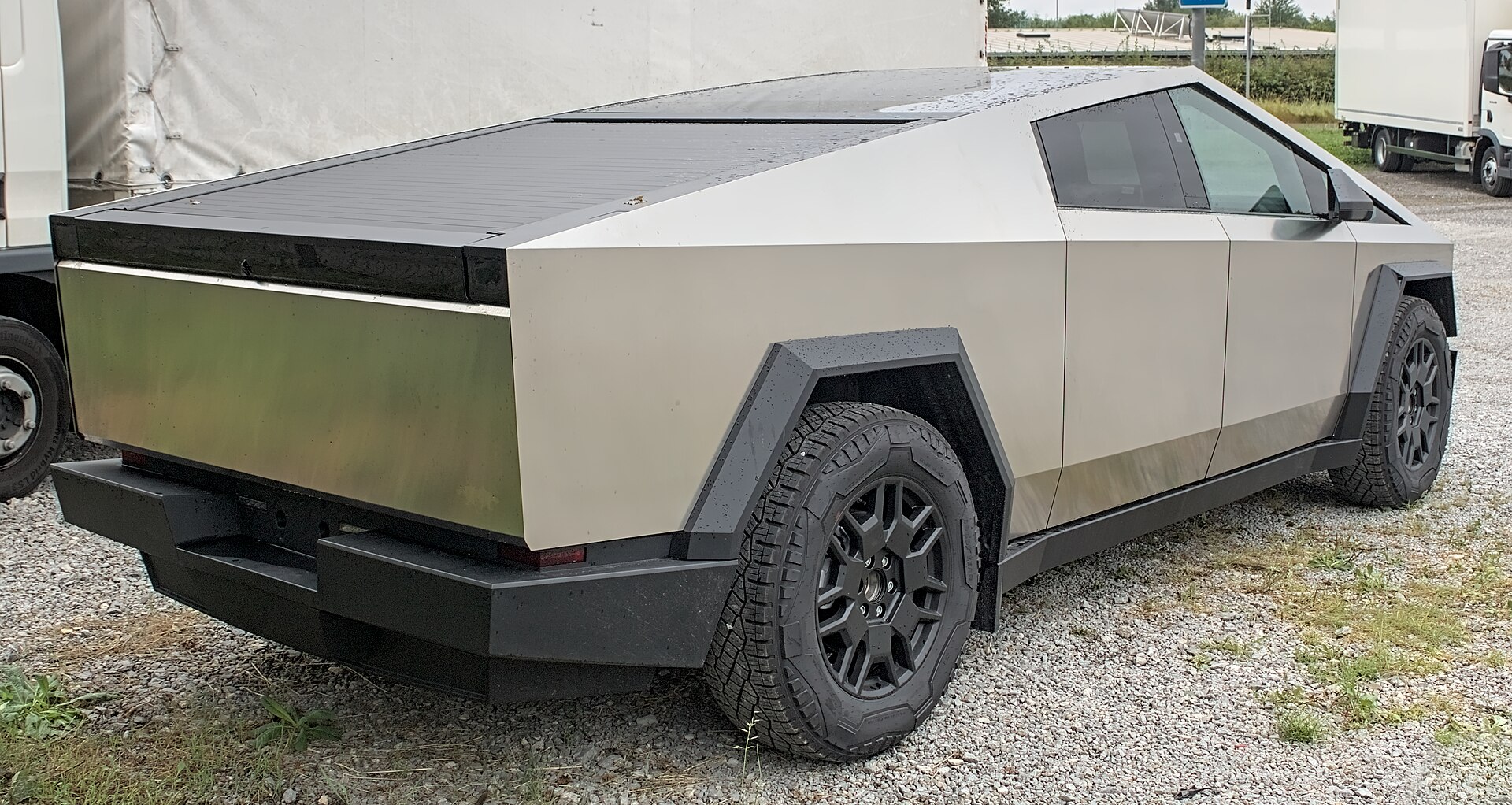
Tesla chief executive Elon Musk said the company may need to refund many Cybertruck deposits because orders exceed the truck’s production capacity, a fresh sign that the pickup’s demand and manufacturing plans remain out of sync after Tesla said last week it would wind down Cybertruck production around the middle of next year.
What changed in the last 72 hours
On November 9, Musk said Tesla would have to return Cybertruck deposits to “a lot of people,” according to Reuters’ report. The comment is new because it goes beyond Tesla’s November 6 disclosure that Cybertruck production would wind down around mid-2027 and adds a customer-facing consequence: some reservation holders may not receive a vehicle because demand is running ahead of what Tesla can build.
That makes the latest development more concrete than the broader production-shift reporting from November 6 and November 7. Those earlier reports focused on Tesla reallocating capacity toward Cybercab and adjusting Cybertruck manufacturing. The November 9 statement instead points to a potential backlog cleanup and a clearer mismatch between orders and the company’s ability to fulfill them.
Why the deposit warning matters
For Tesla, deposit refunds can be a stronger signal than general commentary about demand because they imply some customers will be pushed out of the queue entirely. That can affect revenue timing, customer sentiment, and the company’s ability to sustain interest in a model that has already seen repeated production and market-positioning changes.
The Cybertruck has been one of Tesla’s most watched vehicle launches, but it has also been unusually difficult for the company to position at scale. The vehicle’s production trajectory has shifted repeatedly since launch, and the latest comment suggests Tesla is still trying to align demand, output, and factory planning rather than operating at a stable cadence.
How this fits with Tesla’s recent production plans
Tesla said on November 6 that it would wind down Cybertruck production at its Texas gigafactory around the middle of 2027 to make room for expanded Cybercab production. Reuters then reported on November 7 that Tesla would add an extra Cybertruck shift to finish outstanding orders before dismantling the line. The November 9 refund comments add another layer: even with extra shifts, Tesla may not be able to satisfy all customers waiting for the truck.
Taken together, the three developments point to a production transition, not a single isolated change. Tesla appears to be using the Cybertruck line as a bridge while it reallocates resources toward autonomous vehicle manufacturing, but the company is also acknowledging that the existing order pool may exceed what can be delivered before that transition takes place.
What remains uncertain
Tesla has not, based on the available reporting, published a detailed public breakdown of how many deposits would be refunded, which configurations would be affected, or whether the refunds would apply only to reservation holders who cannot be matched to a vehicle before production changes take effect. Those details will matter for assessing how disruptive the move is for customers and for Tesla’s near-term vehicle mix.
The company also has not, in the sources reviewed, issued a standalone investor-relations update or SEC filing tied specifically to the refund comment. That means the clearest evidence currently comes from Musk’s statement as reported by Reuters and republished by other financial outlets, rather than from a formal Tesla filing.