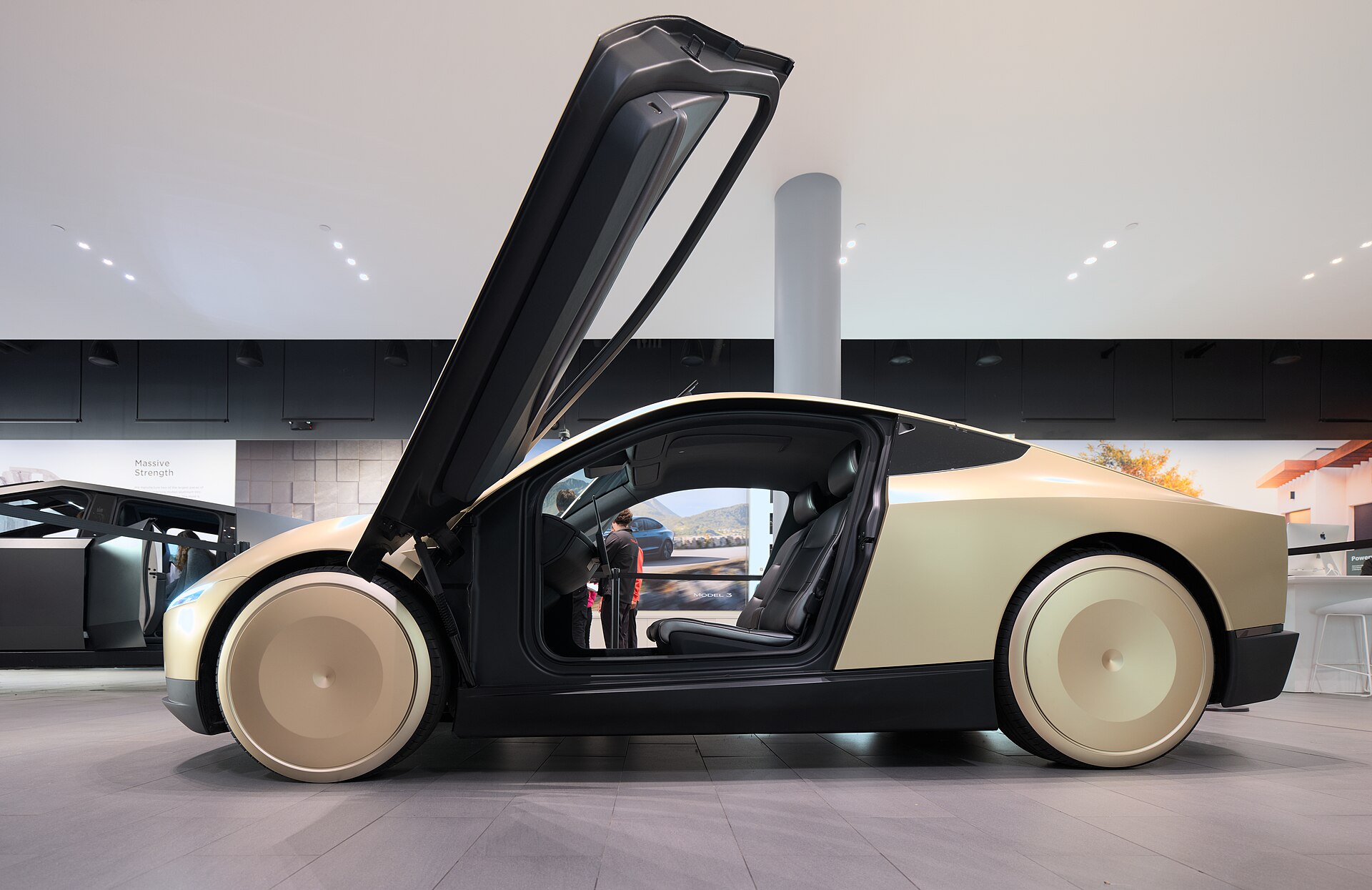
NHTSA on October 23 proposed new lighting and related equipment standards for vehicles designed to be driven exclusively by automated driving systems, a regulatory change that could matter for Tesla’s Cybercab and other no-driver designs. The proposal is not a final rule, but it marks another step in Washington’s effort to adapt federal vehicle standards to automated vehicles. [1]
What NHTSA proposed
The National Highway Traffic Safety Administration said it wants to modernize Federal Motor Vehicle Safety Standard No. 108 for vehicles designed to operate only under an automated driving system. In the agency’s announcement, NHTSA said the proposal would update lighting equipment requirements and establish performance criteria for marker lamps on ADS-equipped vehicles. It also said the package would modernize several other standards, including provisions tied to transmission shift displays, windshield defrosting and wiping, tire placards and braking system controls. [1]
The proposal matters because current rules were written around the assumption that a human driver is present and handling conventional vehicle controls. NHTSA’s framing explicitly targets vehicles built without traditional manual controls, which is the category most closely associated with Tesla’s Cybercab concept. The agency said the effort is intended to remove unnecessary regulatory burdens while keeping performance standards in place for automated-vehicle lighting and signaling. [1]
Why this matters for Tesla
Tesla is already under NHTSA scrutiny over how it certified the Cybercab. On September 4, the agency opened an Audit Query into Tesla’s certification that the vehicle meets applicable federal safety standards. That earlier action did not resolve the certification question; it created a regulatory backdrop in which any federal modernization of standards could affect how Tesla designs or documents a driverless vehicle. [2]
The October 23 proposal does not approve Tesla’s Cybercab, and it does not exempt Tesla from current requirements. But it could reduce one of the friction points for vehicles without steering wheels, pedals or other conventional controls by updating standards that were written for human-operated cars. For Tesla, that means the policy environment around Cybercab is still moving, even as the company continues to face the underlying certification review. [1]
How big a change this is
This is best understood as a rulemaking step, not an operational green light. NHTSA said the proposal is part of a broader automated-vehicle framework and that the move builds on earlier efforts to modernize standards for automated vehicles. In June, the agency had already announced a proposal to remove the brake-pedal mandate for vehicles designed to be driven exclusively by automated driving systems, showing that the October 23 action is part of a sequence rather than an isolated announcement. [1]
The practical significance for Tesla will depend on the final text, the public-comment record, and whether the agency keeps the proposal focused on vehicles operated exclusively by ADS or broadens it. Until that process is complete, the development changes the regulatory direction more than it changes Tesla’s immediate product or sales outlook. [1]
What to watch next
The next milestones are the comment period, any revisions NHTSA makes before issuing a final rule, and whether Tesla or other manufacturers file detailed comments. If the standards are finalized in something close to the proposed form, the change would be one more sign that federal policy is being rewritten around vehicles that may not have a human driver at all. If the rule changes materially, the impact on Tesla’s Cybercab plans could be narrower. [1]