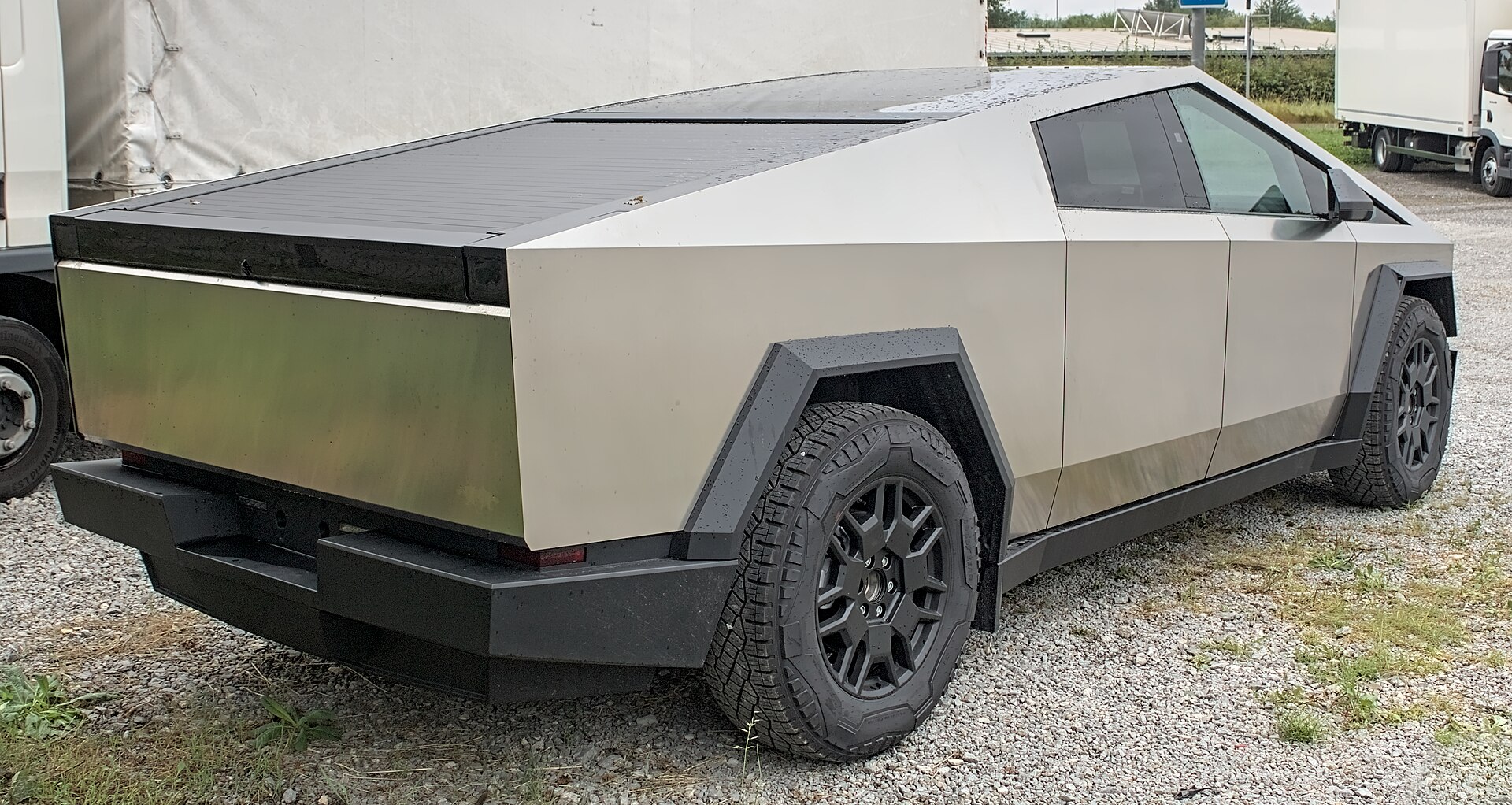
Tesla appears to be widening access to Cybercab beyond the Robotaxi service itself. Over the past two days, Tesla updated Cybercab-related terms and support pages that now describe an ownership-style subscription flow, a Robotaxi interest form that includes Cybercab fleet purchasing, and a support FAQ that says Tesla can contact people interested in buying a fleet or an individual Cybercab for commercial purposes. Reuters also reported on November 13 that Tesla was inviting select customers to buy Cybercab for personal use, but Tesla has not yet publicly spelled out a standard retail ordering process or who exactly qualifies. [1]
What Tesla changed
The clearest official signal is Tesla’s Cybercab Autonomy Subscription Agreement, which is dated November 12, 2026 and is hosted on Tesla’s configurator backend under a sale flow. The agreement says Cybercab technology is offered through a paid monthly subscription and that a customer’s Cybercab is for personal, non-commercial use only. It also says the vehicle will not operate without an active subscription and that features and services may vary by location and regulatory approval. [1]
Tesla’s public support pages also now point to Cybercab purchase interest. The Robotaxi interest form includes a specific “Cybercab fleet vehicle purchasing” option, and the Cybercab FAQ says people interested in purchasing a fleet or an individual Cybercab should fill out a form and wait for a representative to contact them. That language does not sound like a normal consumer configurator yet, but it does indicate Tesla is now collecting buyer interest through an official channel. [2]
Why this matters
Cybercab has been framed primarily as Tesla’s dedicated Robotaxi vehicle, not a conventional consumer model. Tesla’s Robotaxi pages describe a fleet made up of Model Y and Cybercab vehicles and say Cybercab rides are currently available in limited areas of Austin, Texas. First-responder materials and the Robotaxi support pages also treat Cybercab as an active autonomous fleet vehicle rather than a concept or prototype. [4]
Against that backdrop, a purchase pathway matters because it suggests Tesla is testing whether Cybercab can serve both as a ride-hailing asset and, potentially, a privately held autonomous vehicle. Reuters’ November 13 report that Tesla was inviting select customers to buy Cybercab for personal use points in the same direction, but the company’s own materials still leave open key questions: whether retail customers can place orders directly, which markets are eligible, and whether any delivery would require additional regulatory clearance. live.euronext.com
What remains unclear
Tesla has not posted a conventional Cybercab order page aimed at the general public, and its FAQ language is still narrower than Reuters’ description of a personal-use sales push. The company’s official wording refers to fleet or individual purchases for commercial purposes, while the terms page emphasizes personal, non-commercial use. Those two descriptions are not identical, which leaves some ambiguity about whether Tesla is opening a limited pilot, a business-to-business sales channel, or a broader retail sales process that is not yet fully disclosed. [3]
For now, the safest reading is that Tesla has added fresh official documentation around Cybercab ownership and use, and that those materials are consistent with a broader commercialization of the vehicle. But without a public order announcement from Tesla Investor Relations or a clearer customer-facing product page, the scale of the rollout remains uncertain. [1]