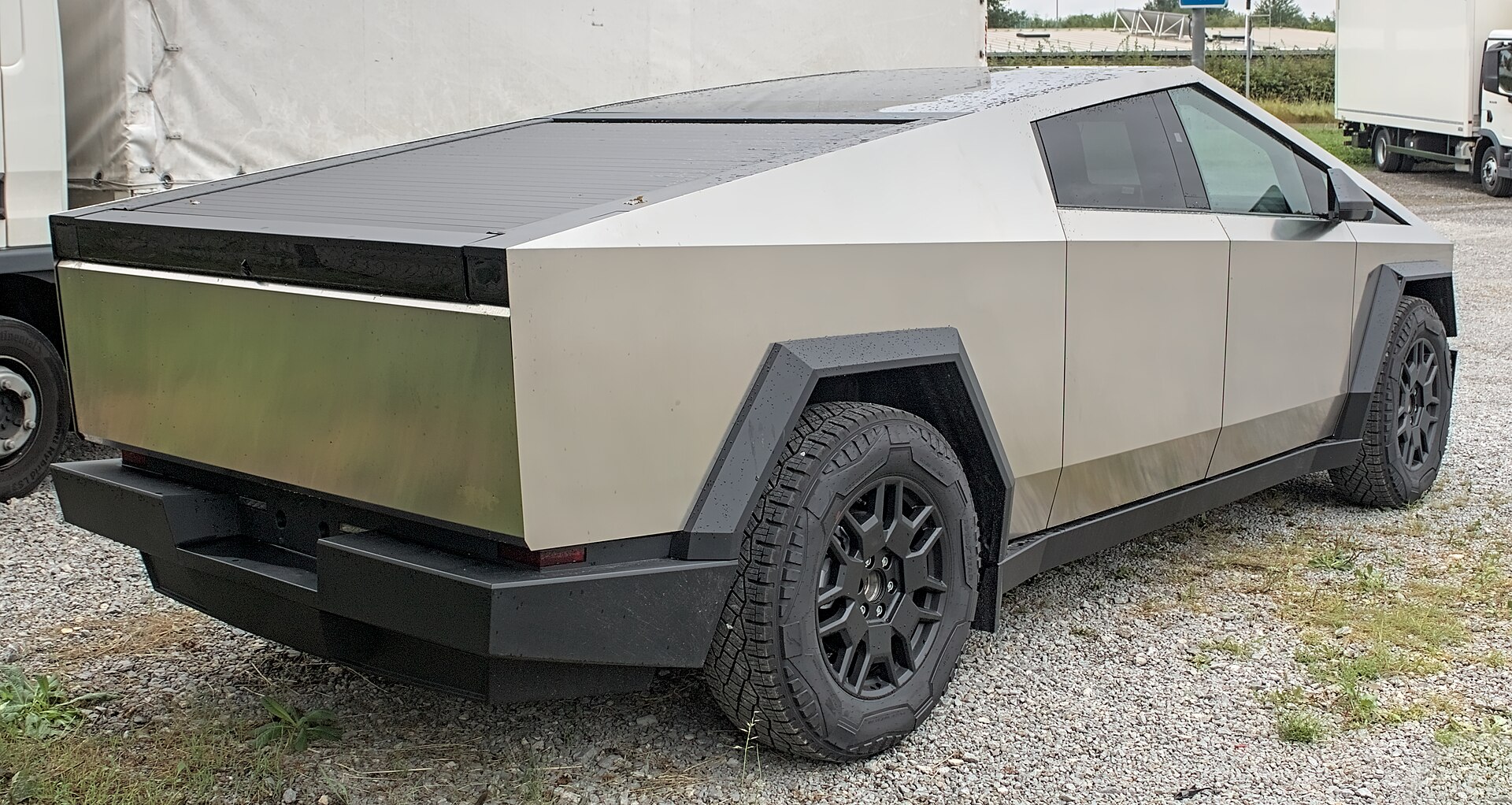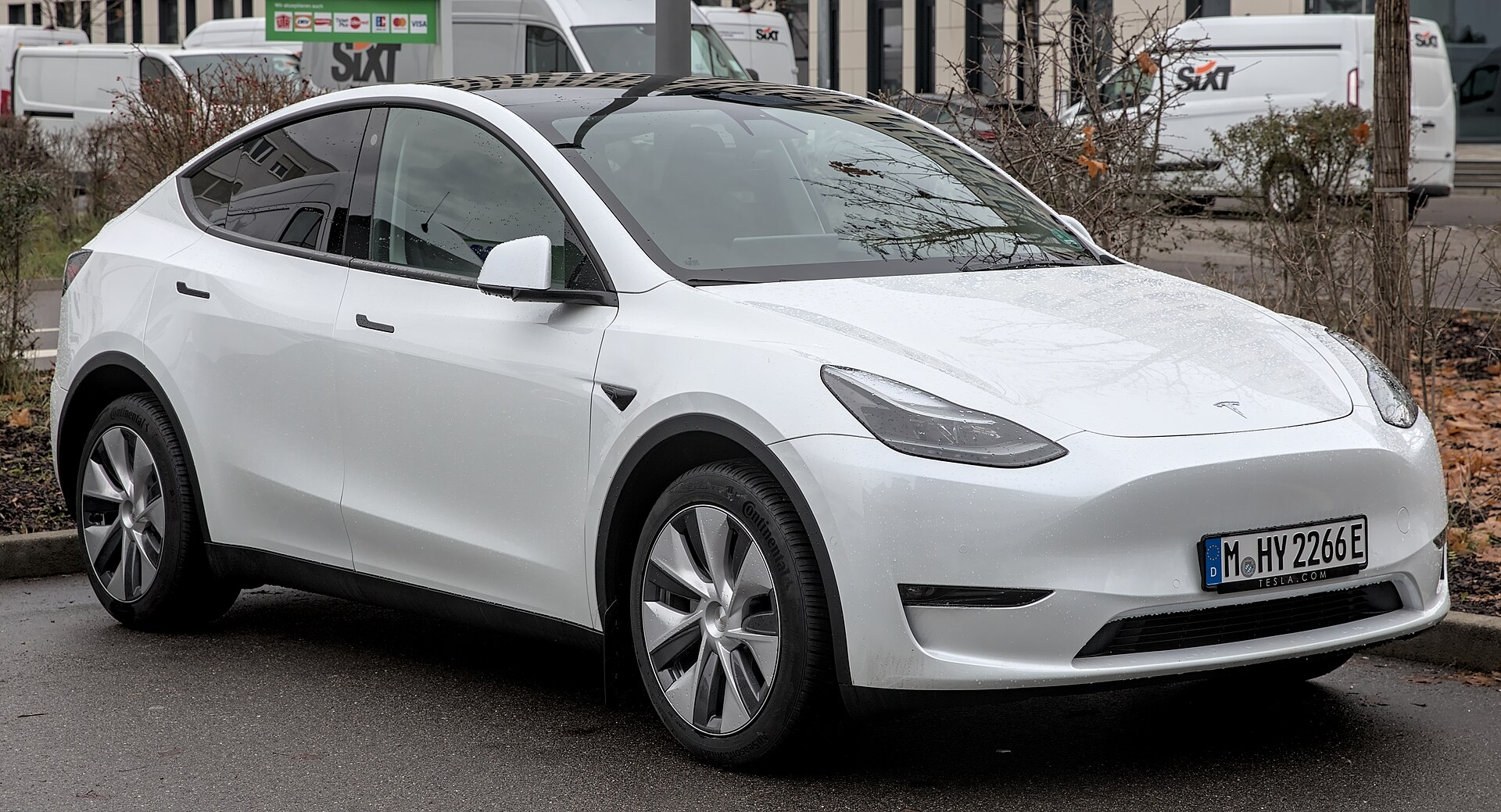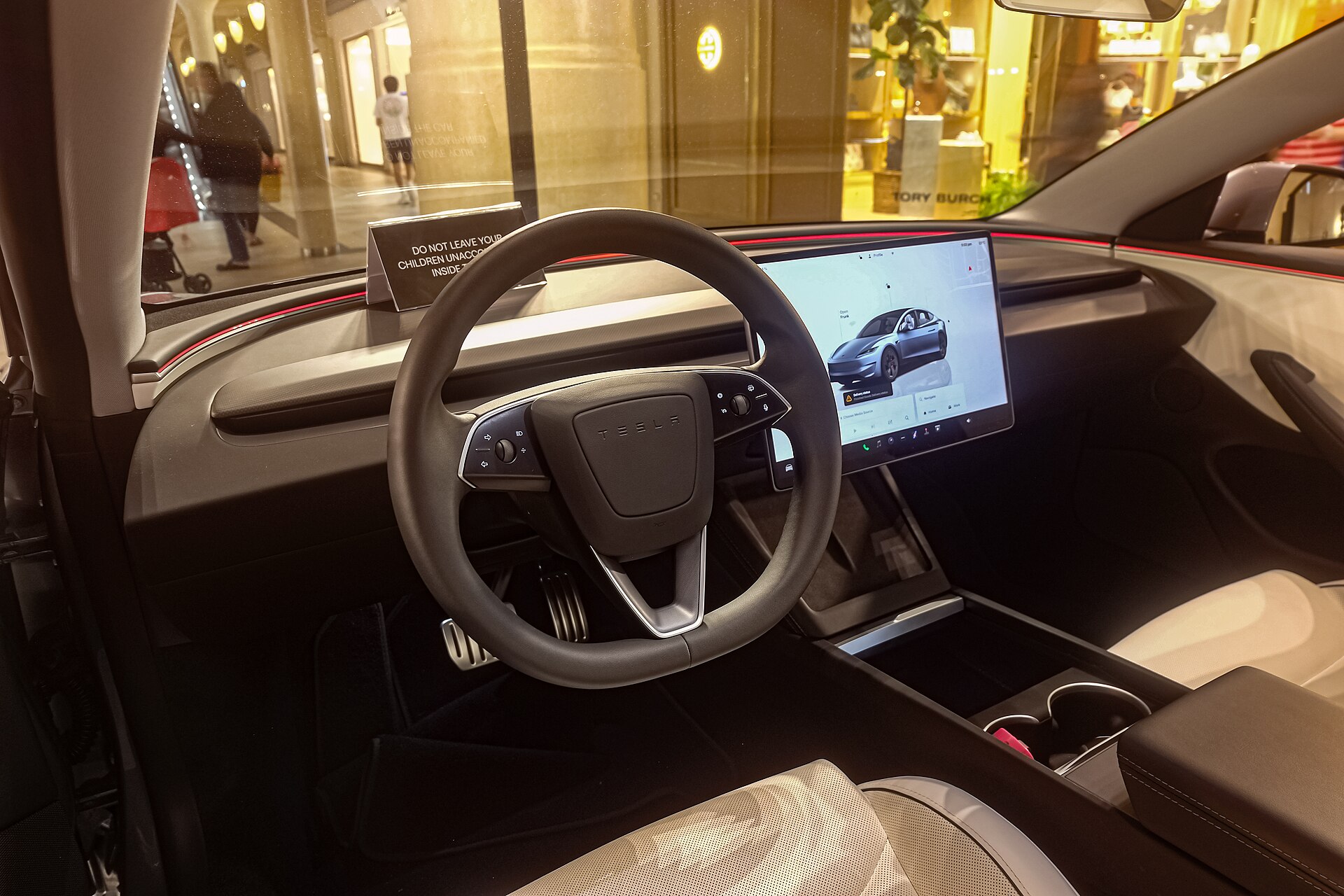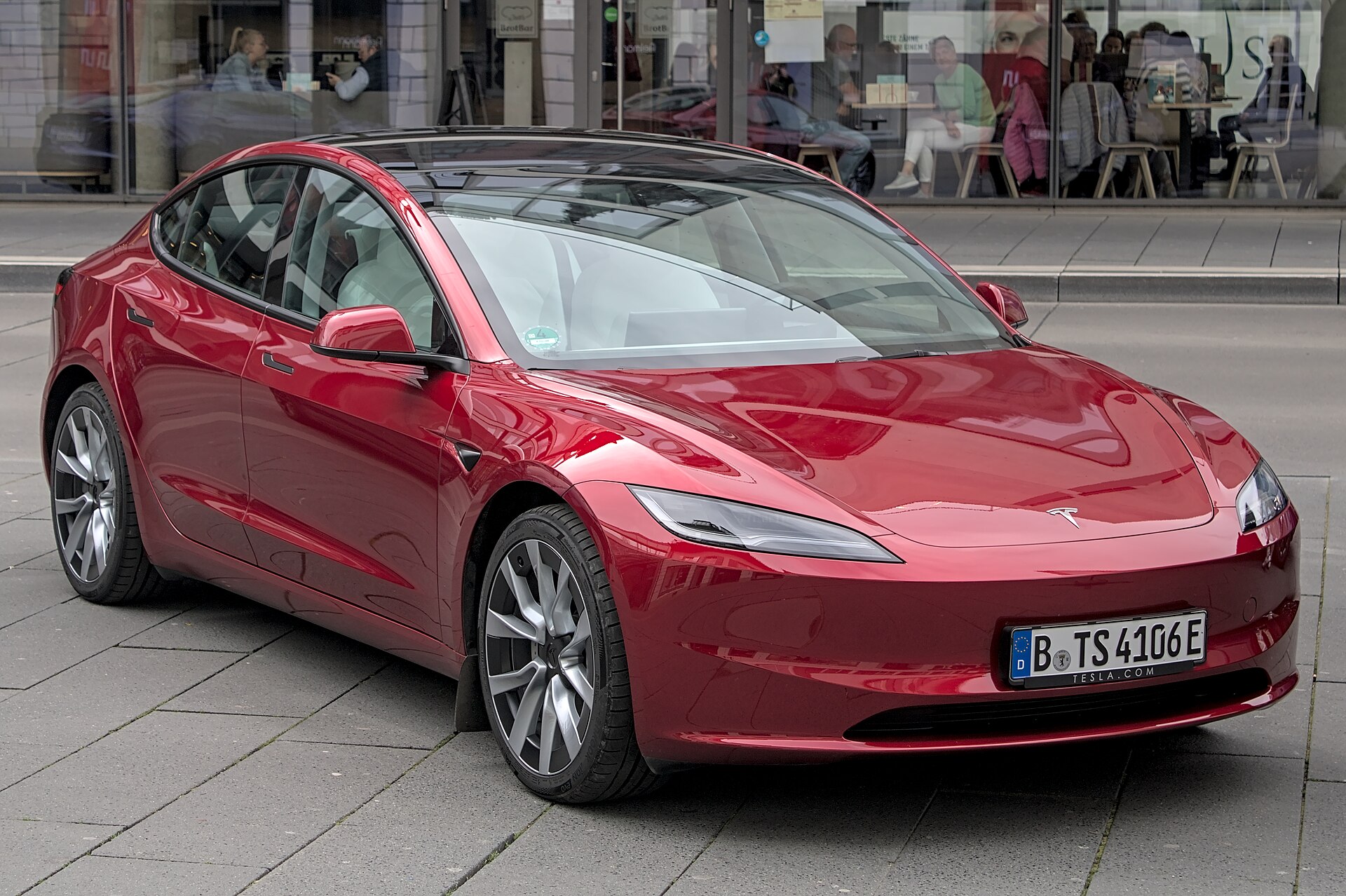
Tesla posted a new voluntary recall notice for certain Model S, Model X, Model 3 and Model Y vehicles over seat-belt reminder software logic, making it the most consequential fresh development visible in Tesla’s public materials over the past 72 hours. The notice appeared on Tesla’s support site and adds another software-related safety action to the company’s October recall run.
What Tesla says changed
Tesla’s support page says the company has voluntarily issued a recall on certain Model S, Model X, Model 3 and Model Y vehicles built across several model years because of seat-belt reminder software logic. The affected population listed on the page covers MY 2012-2024 Model S, MY 2015-2024 Model X, MY 2017-2023 Model 3 and MY 2020-2023 Model Y.
The notice is notable because it is framed as a software-related safety action rather than a hardware problem. Tesla’s support materials now include the new recall page alongside its broader recall hub, indicating the issue is being handled through the company’s standard owner-notification and service channels.
Why this is news now
The recall page is the clearest new Tesla development surfaced during the last 72 hours that is both verifiable and distinct from the company’s already covered October announcements. It is not a rewording of a prior story about Cybercab certification, Roadster teasers, Powerwall access or earlier recall notices.
Tesla’s VIN recall search pages also show recently refreshed recall data, with one localized version listing recall data as of October 13, 2026 and another as of October 15, 2026. That does not by itself date the underlying defect, but it supports that Tesla’s recall inventory was actively updated this week.
Context and implications
Software recalls have become a recurring part of Tesla’s public safety profile because many compliance issues can be corrected over the air or through a service update. Even when the fix is straightforward, a fresh recall can still matter to owners, regulators and investors because it adds to the company’s regulatory workload and can point to quality-control or software-configuration issues.
The seat-belt reminder notice also comes at a time when Tesla is already facing sustained attention on safety, compliance and assisted-driving oversight. In that context, even a relatively narrow recall can contribute to a broader narrative about how Tesla manages software-defined vehicle functions in the field.
What remains unclear
Tesla’s support page fragment available in search does not, on its own, spell out the full remedy language or the exact date the company first issued the notice. It also does not indicate whether the action is limited to specific trims, regions or build windows beyond the model-year ranges listed in the page snippet.
For that reason, the report should stay narrowly framed: Tesla has added a new voluntary recall notice for seat-belt reminder software logic, and the company’s recall search tools show updated recall data this week. Further details would need a follow-up pass through Tesla’s full support page, NHTSA records or the underlying filing trail.